Dog Hip and Joint Supplement: What the Ingredients Can (and Can't) Do
Medically reviewed by Jen Hebel, DVM, PhD — For general education — not a substitute for veterinary care.
A dog hip and joint supplement can genuinely support comfort, but only alongside daily movement, not instead of it.
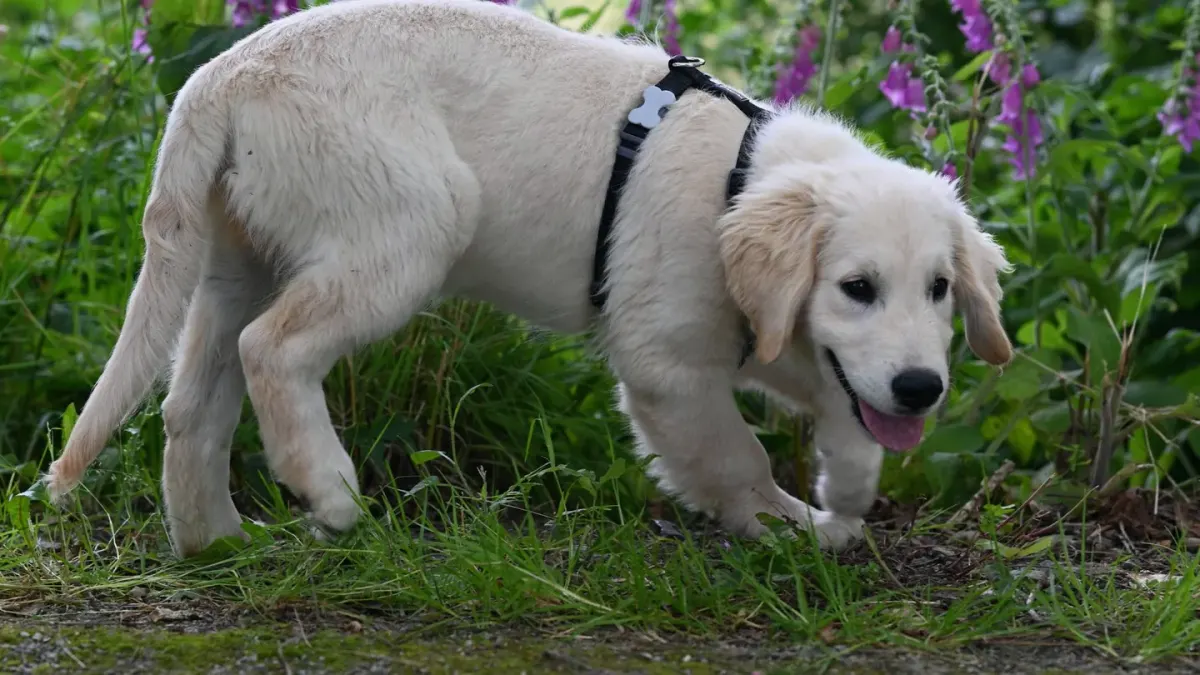
There’s a dog I picture every time an owner asks me which hip and joint supplement to buy. He’s a stocky mixed breed, maybe eight years old, and his owner brought him in because he’d started refusing the three porch steps up to the back door. Not dramatically. He’d just pause at the bottom, look up, and wait for someone to carry him or find another way around. No yelp, no limp anyone could point to on video. Just a quiet renegotiation of what he was willing to do. That’s how most hip and joint problems actually show up in dogs: not as a crisis, but as small avoidances that add up. And it’s exactly the moment owners start Googling for a supplement, hoping a bottle of something will undo it.
So let’s answer the real question first. Does a dog hip and joint supplement actually work? For the right ingredients, at real doses, the answer is a qualified yes: it can meaningfully support comfort and mobility. It won’t rebuild cartilage that’s already worn down, and it won’t turn back arthritis. What it does is give the joint better raw material and a calmer inflammatory environment to work with, while everything else you do at home does the heavier lifting.
What’s Actually in These Formulas, and Why
Most hip and joint supplements for dogs lean on three ingredients, and each one is doing a slightly different job. Glucosamine is the building block cartilage uses to repair itself; research summarized in the Journal of Veterinary Medical Science points to glucosamine hydrochloride’s ability to help prevent experimentally induced cartilage degradation in laboratory models. Chondroitin works alongside it, and a study published in Frontiers in Veterinary Science found it supports healthy synovial fluid homeostasis, which matters because that fluid is what keeps a joint gliding instead of grinding.
Green-lipped mussel powder is the outlier, and it’s not just a marketing add-on. It brings omega-3 fatty acids and a distinct anti-inflammatory profile. Research in Nutrients found that mussel-derived compounds alleviated paw swelling in animal models and reduced inflammatory markers including TNF-α and IL-17. That’s a different mechanism than glucosamine or chondroitin, which is the actual reason formulas stack all three rather than picking one.
Here’s Where I Push Back on How Most People Use These
I work from a rehab and adjustment background, so I’ll say the unpopular part plainly: a supplement without a movement plan is half a plan. I’ve watched owners buy a well-reviewed chew, dose it faithfully, and still watch their dog decline, because the dog spent its days on a couch and its walks got shorter, not longer. Cartilage and synovial fluid respond to nutrients, sure, but the muscles around a hip or stifle only stay strong through use. Gentle, consistent movement is what keeps those muscles doing the stabilizing work that an aging or recovering joint can’t do alone.
I know the counterargument, because I hear it constantly. Owners worry that exercising a sore joint will make it worse, so the instinct is to rest the dog and let the supplement do the work instead. It’s a reasonable instinct, and it’s wrong for most everyday stiffness. Controlled movement, short flat walks, sit-to-stand reps, a few minutes of gentle range-of-motion work, actually reduces stiffness better than crate rest does, because joints and the tissue around them are built to move. The exception is acute injury or a vet-confirmed flare, where rest genuinely is the right call for a short stretch. Outside of that, I still land on movement plus supplement, not supplement instead of movement, because that’s what actually keeps dogs climbing stairs into their teens.
Back to that porch-step dog. His owner didn’t want to hear that a bottle wasn’t the whole answer. She’d already decided the stairs were the enemy and the supplement was the fix. What actually changed things was smaller than that: five extra minutes of slow walking twice a day, a ramp built for the porch so the steps stopped being a decision point at all, and a joint formula added on top of it, not as a replacement for any of that. Within about six weeks he was taking the ramp at a normal pace and, more tellingly, choosing to follow his owner into the yard instead of waiting at the door. Nothing about that dog’s cartilage reversed. What changed was that his muscles had something to work with again, and the supplement had time to do its slower, quieter job underneath it.
How to Actually Introduce One
Start with a formula that lists real doses on the label, not proprietary blends that hide how much of each ingredient you’re getting. Glucosamine, chondroitin, and green-lipped mussel all show benefit at specific dose ranges, and a trace amount buried in a blend isn’t doing much. Give it four to eight weeks before deciding whether it’s working; these aren’t fast-acting like an anti-inflammatory, and judging them after a week just tells you nothing changed yet. Pair it with movement from day one instead of waiting to see if the supplement kicks in first. And keep a simple log of what your dog was and wasn’t willing to do before you started. Owners rarely trust their own memory on this, and a written baseline is the only honest way to tell if something’s actually different two months in.
If you want to see how specific formulas stack up against each other on dose and ingredient quality, our scored joint supplement rankings go through five real products side by side. And if stiffness is the main thing you’re managing day to day, our stiff-joints guide walks through the movement and management side in more detail than fits here. Owners managing an older dog’s overall decline, not just the joints, might also find our senior longevity supplement guide useful context.
One last thing worth sitting with: if your dog’s stiffness came on suddenly, is worse on one side than the other, or shows up with swelling, that’s not a supplement question anymore, that’s a vet visit. A hip and joint supplement is a long game played on a dog with a known, gradual issue. So before you add one to the routine, ask yourself honestly: has anyone actually looked at this joint, or are you just hoping the bottle will answer a question nobody’s examined yet?
Frequently asked questions
How long before a joint supplement actually helps?
Plan on four to eight weeks of consistent daily dosing before you can fairly judge whether it's helping. Glucosamine and chondroitin work gradually, supporting cartilage and synovial fluid over time rather than acting like a pain reliever.
Can a supplement replace exercise for a stiff dog?
No. Supplements support joint tissue; they don't build or maintain the muscle that actually stabilizes a hip or knee. Dogs who get a supplement but stay sedentary usually still decline.
Sources
- Chondroitin sulfate and synovial fluid homeostasis in joint and mobility health — Frontiers in Veterinary Science
- Glucosamine hydrochloride and cartilage degradation: a review — Journal of Veterinary Medical Science
- Green-lipped mussel powder and inflammatory markers in joint health — Nutrients