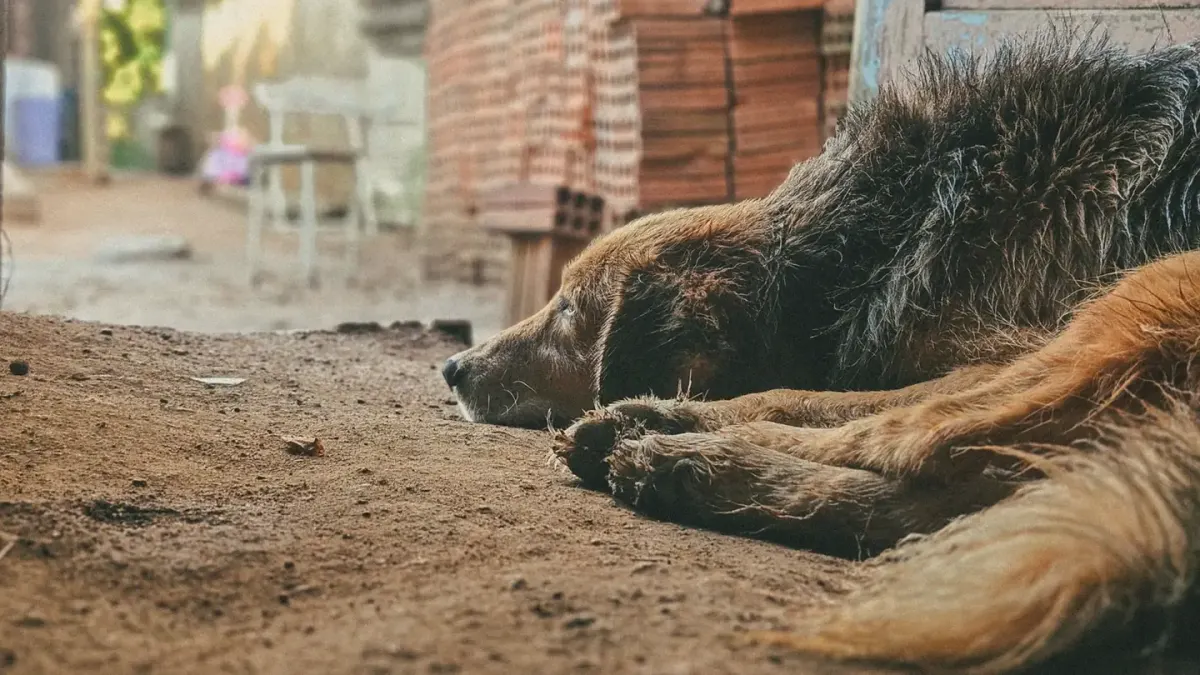
Harold knew Georgie was struggling when the 7-year-old Havanese mix started pacing and whining for nearly 40 minutes every time he stepped out of his St. Petersburg apartment.
The verdict is direct: anxiety in dogs is best treated with steady behavior work plus veterinary guidance, while calming supplements stay in a supporting role at most.
That order matters because structure drives behavior. A tight back, a sore neck, or shallow, rapid breathing can keep the nervous system on edge, and chiropractic and acupuncture thinking reminds us that comfort and calm travel together in the whole patient.
What does treatment actually start with?
It starts with naming the pattern. Separation distress looks different from noise panic, and both look different from pain-related restlessness.
Vets often see owners miss pain as a driver. A dog that paces at night, resists the crate, or startles harder than last year deserves a hands-on exam before anyone calls it pure anxiety. The Merck Veterinary Manual frames separation anxiety the same way, as a behavior diagnosis made after medical causes are ruled out.
That first visit should cover when signs happen, what helps, what makes them worse, and whether medication is needed for safety or learning. If you are seeing the classic alone-time signs, compare them against Signs of Separation Anxiety in Dogs: What to Watch For and What Actually Helps.
Why do behavior work and routine matter most?
Because the nervous system learns by repetition. Predictable departures, short graduated absences, calm greetings, and rewarded settling teach a dog that alone time ends safely.
Keep departures boring. Practice two-minute step-outs before you attempt two hours. Pair the crate or resting spot with food puzzles, not force. Keep exercise and sleep steady, since a tired body with an aching frame rarely settles well.
You cannot out-supplement inconsistency.
For loud sounds, the same layering idea applies, and Dog Noise Anxiety: What Actually Helps When Your Dog Panics at Loud Sounds walks through sound safety, shelter spots, and desensitization in more detail.
Where do prescriptions and supplements fit?
Prescription anti-anxiety drugs are for moderate to severe cases, panic that risks injury, or dogs too aroused to learn. They are chosen and monitored by a veterinarian because dose, interactions, and withdrawal matter.
Supplements sit a tier below. L-theanine is an amino acid found in tea that has been studied for its calming properties. Chamomile and valerian root have been used in traditional herbal care to support relaxation, although the National Center for Complementary and Integrative Health notes valerian evidence in people remains mixed and limited.
That is why I prioritize training plus vet-led medical care and reject supplement-first plans. Botanicals and bodywork may help support comfort and ease, in structure-and-function terms, but they do not rewire fear by themselves.
A skeptical friend might ask: if training is so slow, why not just give a chew and hope? Because hope is not a plan when the spine is stiff, the gut is off, and the dog rehearses panic daily. Balance the whole patient first, then let a modest calming aid support the work.
Frequently asked questions
How long does anxiety treatment take in dogs?
Many dogs improve over 4–8 weeks of consistent training and routine, while severe separation or noise panic often needs several months plus veterinary follow-up.
When should I call the vet about anxiety?
Call promptly for panting, pacing, drooling, escape attempts, self-injury, aggression, or any sudden behavior change, since pain and medical disease can mimic anxiety.
Sources
- Valerian — National Center for Complementary and Integrative Health