Slippery Elm Dosage for Dogs: What the Evidence Actually Supports
Medically reviewed by Roger Clemmons, DVM, PhD, DACVIM (Neurology and Neurosurgery), CVA, CVFT — For general education — not a substitute for veterinary care.
Slippery elm dosage for dogs isn't standardized, so I anchor mine to body weight, symptom severity, and what the gut actually needs.

On this page
- What slippery elm is actually doing in the gut
- Why there’s no settled dose, and what that means for you
- Reading a label without getting oversold
- The whole-dog case I actually make to clients
- Where the research genuinely helps — and where it doesn’t
- Interactions, timing, and when to call your vet
- Bottom line
I still remember the exam room with the beagle mix named Otis — eleven years old, forty-one pounds, a dog whose owner had watched his stool go from a tidy comma shape to something closer to soft-serve over about ten days. She’d already tried a bland diet of rice and boiled chicken. She’d already Googled “slippery elm dosage for dogs” the night before and found four different numbers on four different blogs. She wanted to know which one was real.
I told her the honest answer, which is the same one I’ll give here: there is no single verified, peer-reviewed slippery elm dose for dogs. That’s not a dodge. It’s the actual state of the evidence, and it changes how I recommend using it.
What slippery elm is actually doing in the gut
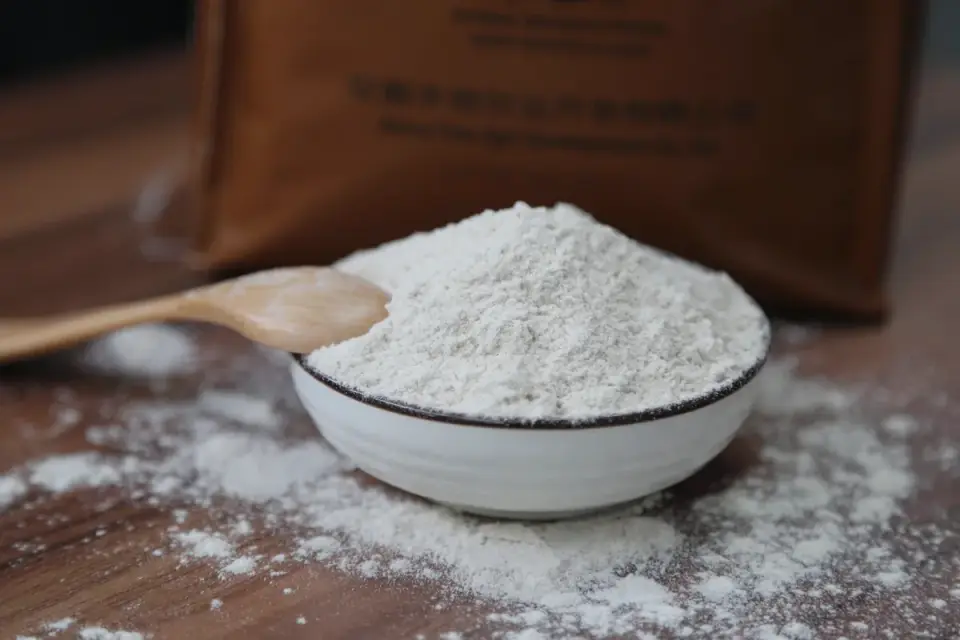
Slippery elm bark, from the tree Ulmus rubra, works almost entirely through mucilage — a gel-forming carbohydrate that swells on contact with water and coats mucous membranes. According to the NIH LiverTox: NIH’s LiverTox database, the bark’s active constituents are these mucilages along with tannins and resins that act as mild astringents, and it has a long history of use for gastrointestinal and throat irritation. It is not an antimicrobial, not an enzyme, and not a probiotic. It is, mechanistically, closer to a soothing physical barrier than a metabolic intervention — the same way I think about topical protectants in neurology cases where the goal is to reduce irritation, not correct an underlying lesion.
That distinction matters because slippery elm doesn’t fix why a gut is inflamed. It can make the inflamed surface more comfortable while something else — diet, infection, pancreatic insufficiency, dysbiosis — gets sorted out.
Why there’s no settled dose, and what that means for you
Here’s the part that frustrates owners: there is no controlled canine dosing trial establishing a milligram-per-pound target for slippery elm, the way there is for, say, a labeled prescription antiemetic. The LiverTox entry itself notes slippery elm is generally recognized as safe with no published case reports of liver injury, but safety data is not the same thing as dosing data. Most of what circulates online as a “vet-approved dose” is really an extrapolation from human herbal-medicine tradition, adjusted loosely for body weight.
That’s why I don’t hand a client a single number and call it done. I dose empirically and conservatively: start low, watch stool consistency and appetite over 24 to 48 hours, and stop if anything worsens. I’d rather under-dose a demulcent herb than have an owner chasing a number that was never validated in a dog in the first place.
Reading a label without getting oversold
Because dosing isn’t standardized, the label quality matters more here than with most supplements. Look for the plant part actually used — inner bark, not leaf or twig extract, which have a different (and less studied) chemical profile. Look for a plain mucilage-forward ingredient list rather than a proprietary blend that hides how much slippery elm is actually in the scoop. And be skeptical of any product claiming it “resolves” chronic diarrhea or colitis outright — mucilage can soothe irritation, but it isn’t a cure for whatever is driving the inflammation underneath.
This is also where slippery elm needs to be told apart from adjacent categories that get lumped together in pet aisles. It is not a probiotic, and it doesn’t recolonize the gut the way live organisms do. Our guide to the Best Probiotic for Dogs goes through strain- and CFU-level evidence if that’s the tool you actually need. It’s also distinct from pancreatic enzyme supplementation, which matters for a very specific population: dogs with exocrine pancreatic insufficiency, where the Journal of the American Veterinary Medical Association notes that EPI “is treated by pancreatic enzyme replacement therapy, nutritional management (low-residue diets with moderate fat content), and supplementation of cobalamin.” Slippery elm doesn’t substitute for any of that.
The whole-dog case I actually make to clients
One of the dogs I worked with in referral practice, a nine-year-old German Shepherd named Ranger at around seventy pounds, came in for hind-end weakness that turned out to be early degenerative myelopathy — but his owner also mentioned, almost as an aside, that he’d had loose stool on and off for months, made worse by stress during boarding. This is where my two disciplines actually meet: I ordered the MRI to characterize the cord lesion, and I also used acupuncture and a slippery-elm-based bland-diet transition to settle his gut during the diagnostic workup, because a dog who won’t hold food doesn’t tolerate sedation or a long imaging session well. I reach for both the imaging study and the acupuncture needle because in a case like Ranger’s, neither modality alone answers the whole question — the cord lesion needed objective imaging, and the gut needed a gentler, mechanism-appropriate approach while we waited on results. Slippery elm’s job in that plan was narrow and temporary, not a growth substitute for real diagnostics.
That’s the trap I see owners fall into most: treating a demulcent herb as if it were a diagnosis-replacing therapy. It isn’t, and I don’t let clients use it that way.
Where the research genuinely helps — and where it doesn’t
The strongest recent canine gut-health evidence I can point to isn’t about slippery elm at all; it’s about probiotics, and it’s a useful contrast. A 2025 trial published in Frontiers in Veterinary Science found that “diversity metrics did not distinguish non-responders from responders” — meaning even in a controlled probiotic study, individual dogs respond differently, and a microbiome diversity score alone doesn’t predict who benefits. If that’s true for a mechanism as well-studied as probiotic supplementation, it should make you more cautious, not less, about firm dosing claims for an herb with essentially no controlled canine trials behind it. If you want a deeper look at what “quality” actually means on a probiotic label rather than a marketing claim, our piece on human-grade probiotic blends walks through it.
Slippery elm is worth having in a supportive-care rotation. It is not worth treating as a load-bearing therapy, and it’s not something I’d reach for instead of working through an aging dog’s broader mobility and comfort picture — the kind of whole-dog thinking that also shows up in how we evaluate joint support in our Best Joint Supplement for Dogs guide.
Interactions, timing, and when to call your vet
Because mucilage physically coats the gut lining, it can slow or reduce absorption of anything given close to it — including other supplements and prescription medications. Space slippery elm at least two hours from any medication dosing. Watch closely, and call your vet rather than adjusting the dose yourself, if diarrhea is moderate to severe, if vomiting shows up, if there’s blood in the stool, or if a normally steady dog goes more than 48 hours without improving. Pregnant dogs shouldn’t be given it without direct veterinary guidance, given the lack of safety data in that population specifically.
Bottom line
There’s no verified, dog-specific dosing chart for slippery elm, and I’m not going to pretend one exists just because owners want a clean number. What I can tell you is this: use it as a short-term, low-risk comfort measure for mild GI upset, dose conservatively by weight and response rather than by whatever number you saw first, and treat it as support alongside a real diagnostic and nutritional plan — never as a replacement for one.
Frequently asked questions
How much slippery elm should I give my dog?
There's no peer-reviewed, standardized dose for dogs. Most integrative vets, including me, dose conservatively based on body weight and symptom severity, start low, and monitor stool and appetite over 24 to 48 hours before adjusting.
Is slippery elm safe for dogs long-term?
According to the NIH's LiverTox database, slippery elm is generally recognized as safe with no published reports of liver injury, but it's best used short-term for acute GI upset rather than as an indefinite daily supplement, since long-term canine data is limited.
Can I give slippery elm with other medications or supplements?
Space it at least two hours away from other medications and supplements. Its mucilage can coat the gut lining and reduce absorption of anything given too close to it.
Sources
- Slippery Elm (Ulmus rubra) — NIH LiverTox
- Exocrine Pancreatic Insufficiency Review — Journal of the American Veterinary Medical Association
- Probiotic Response Variability in Dogs — Frontiers in Veterinary Science