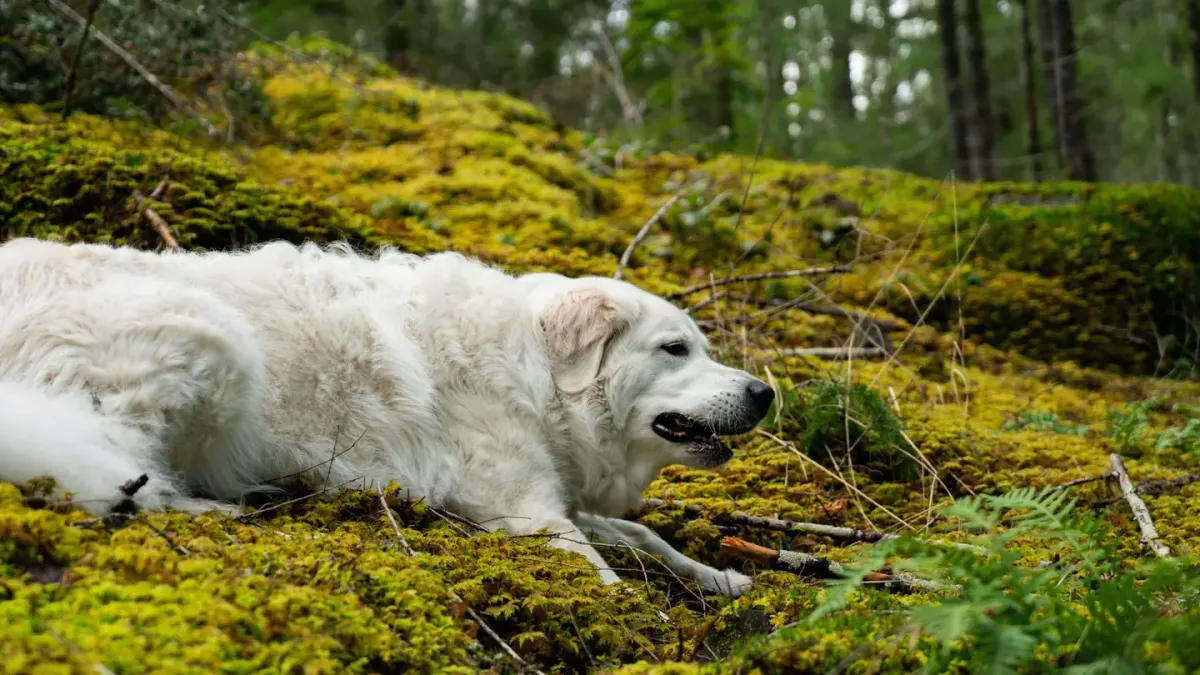
Ashley first noticed Desdemona, her 7-year-old spayed West Highland White Terrier mix from Columbia, South Carolina, needed a full 20 minutes longer to finish the same neighborhood loop. The dog was heavier, slower on stairs, and losing hair along her flanks, and it was easy to call that normal aging.
That slowdown is the trap with thyroid problems in dogs. Low thyroid hormone drops metabolic rate, adds weight, dulls activity, and changes skin and coat, which looks exactly like an old dog getting stiff. Mechanically, that matters: every extra pound increases load across elbows, hips, and stifles, so a thyroid-driven weight gain will make arthritic movement worse without the joint itself changing.
Vets often see owners try a joint chew first for this pattern. In practice, that delays the real answer, because no supplement replaces thyroid hormone when the gland is underproducing.
The slowdown that looks like aging
Most thyroid problems in dogs mean hypothyroidism, most often from lymphocytic thyroiditis or idiopathic atrophy. Hyperthyroidism is rare in dogs and usually tied to thyroid carcinoma.
Watch for a cluster, not one sign: unexplained weight gain despite the same meals, sleeping more, intolerance to cold, thinning coat or flaky skin, and a lag on walks you used to do easily. One sign alone proves little. A cluster that lasts weeks deserves testing.
This is also where joint signs get confused. A dog that rises slowly because it gained six pounds and lost muscle drive moves like an arthritic dog. The joint may have some arthritis, but the engine driving the change is hormonal.
Thyroid disease does not improve with glucosamine, chondroitin, or fish oil.
What proper thyroid bloodwork should include
Push for a full thyroid panel, not a single total T4 screening value by itself. Illness, fasting, and some drugs can suppress total T4 and mimic hypothyroidism.
A useful workup usually includes total T4, free T4 by equilibrium dialysis, canine TSH, and often thyroglobulin autoantibodies. Your veterinarian pairs those numbers with the exam, breed risk, and current drugs. Cornell University College of Veterinary Medicine explains why confirmatory testing matters when an initial screening result is low, and VCA Hospitals outlines the classic signs, testing approach, and need for lifelong follow-up.
Ask these questions at the visit: was free T4 measured by dialysis, is TSH high, could another illness or drug explain a low value, and when should we recheck after starting treatment? Dogs started on levothyroxine need dose checks and periodic monitoring, a point detailed in the Merck Veterinary Manual.
Why a supplement cannot stand in for diagnosis
Glucosamine and chondroitin are among the most studied joint support ingredients for dogs. That status helps stiff joints. It does not correct hormone deficiency, normalize metabolism, or regrow coat.
That distinction guides what to prioritize. Get the endocrine diagnosis right, treat with prescription thyroid replacement if confirmed, manage weight and strength with measured food and flat leash walks, and keep joint support in the adjunctive-support frame. For context on how that workup differs from an orthopedic exam, see How Do Vets Diagnose Arthritis in Dogs? A Step-by-Step Look at the Exam and How to Help an Old Dog With Stiff Joints.
If bloodwork is normal, then you have ruled out a major mimic and can focus on conditioning, pain assessment, and joint care with clearer footing.
Frequently asked questions
Can thyroid problems in dogs cause limping or stiffness?
They usually cause weight gain, lethargy, and reduced exercise tolerance rather than true joint pain, but the added load and lost conditioning can make existing arthritis look worse. Bloodwork plus an orthopedic exam sorts out which problem is driving the change.
What blood test confirms hypothyroidism in dogs?
No single value confirms it alone. Veterinarians typically combine total T4, free T4 by equilibrium dialysis, canine TSH, clinical signs, and sometimes antibodies, then recheck after treatment starts.
Sources
- Hypothyroidism in Dogs — VCA Hospitals
- Hypothyroidism in Animals — Merck Veterinary Manual