What Elbow Dysplasia in Dogs Actually Is
Medically reviewed by Connie Clemons-Chevis, DVM, MSTCVM, CVA, CVCH, CVTP, CVFT, CVMMP — For general education — not a substitute for veterinary care.
Elbow dysplasia in dogs is an umbrella term for developmental lesions inside the elbow, not a single diagnosis.
On this page
Imagine a seven-month-old Labrador who has started skipping a beat in his stride after the second lap of the yard. He is not yelping, not holding the leg up, just landing a fraction softer on one front paw, worse after playtime and better after a nap. That quiet, exercise-linked hitch is the most common way elbow dysplasia announces itself, and it is exactly the pattern I want owners of large-breed puppies to know to flag early rather than wait out.
Elbow dysplasia in dogs is an umbrella term for developmental lesions inside the elbow, not a single diagnosis. That distinction matters more than it sounds. According to the American College of Veterinary Surgeons, the label groups together fragmented coronoid process, ununited anconeal process, osteochondrosis of the medial humeral condyle, and joint incongruity, conditions that share a joint but not always a cause. A dog can have one of these lesions or, less happily, more than one at the same time.
What the Diagnosis Actually Names
The elbow is a three-bone hinge, and elbow dysplasia describes a mismatch in how those bones grow and fit together during puppyhood. Fragmented coronoid process, a crack or chip on a small ulnar projection, accounts for the majority of cases seen in practice. Ununited anconeal process happens when a growth center at the back of the ulna fails to fuse to the rest of the bone on schedule, leaving a loose fragment that grinds with every step. Osteochondrosis is a cartilage-to-bone conversion problem on the humerus side of the joint. Joint incongruity, an uneven fit between the radius and ulna, can drive any of the above or occur on its own. None of these four is rare enough to be considered the exception; a working diagnosis of elbow dysplasia usually means ruling in which one, or which combination, is present.
Which Dogs Carry the Risk
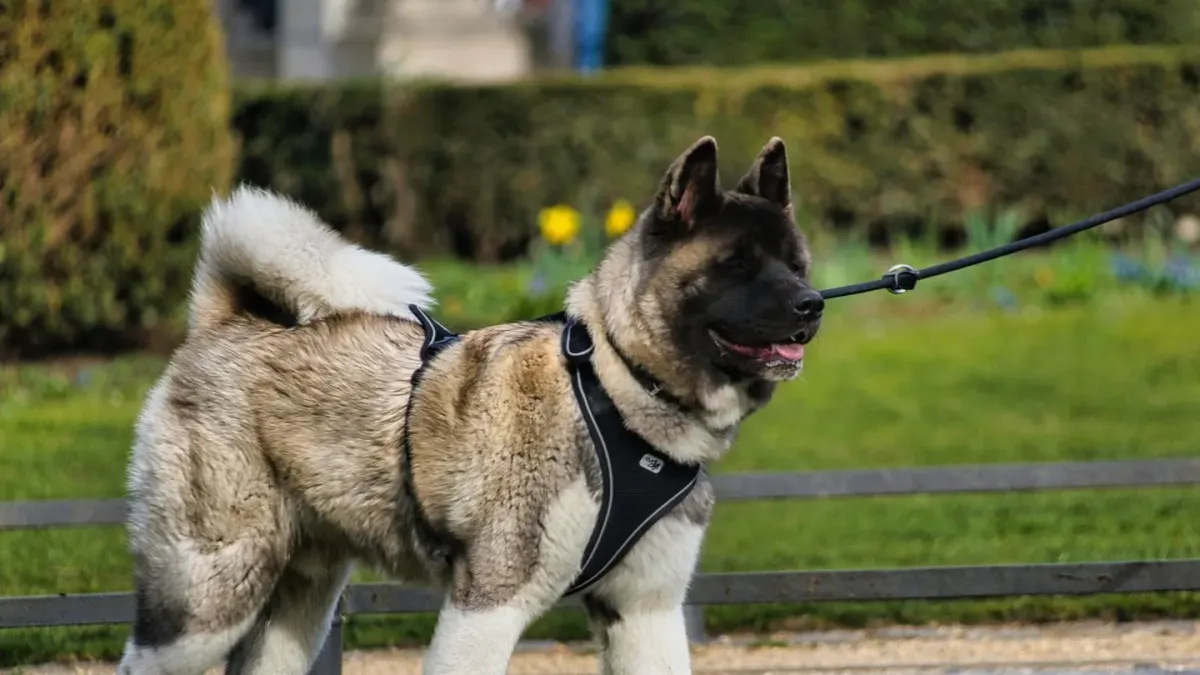
Elbow dysplasia is a large- and giant-breed problem more than a small-dog one. Per the OFA, registry data ranks the Chow Chow and Bulldog highest for documented rates, and the condition is also common in Labrador Retrievers, Golden Retrievers, Bernese Mountain Dogs, German Shepherds, and Rottweilers. Genetics, rapid growth, and body condition during the puppy months all contribute, which is why breeders who screen and score elbows before breeding are doing real preventive work, not paperwork.
Signs typically start between four and ten months old, though I have seen dogs whose lameness was subtle enough, or explained away as “growing pains” long enough, that they were not worked up until well into adulthood with secondary arthritis already established. Front-limb lameness that worsens with exercise and never fully resolves with rest is the pattern to take seriously at any age.
How Vets Confirm It
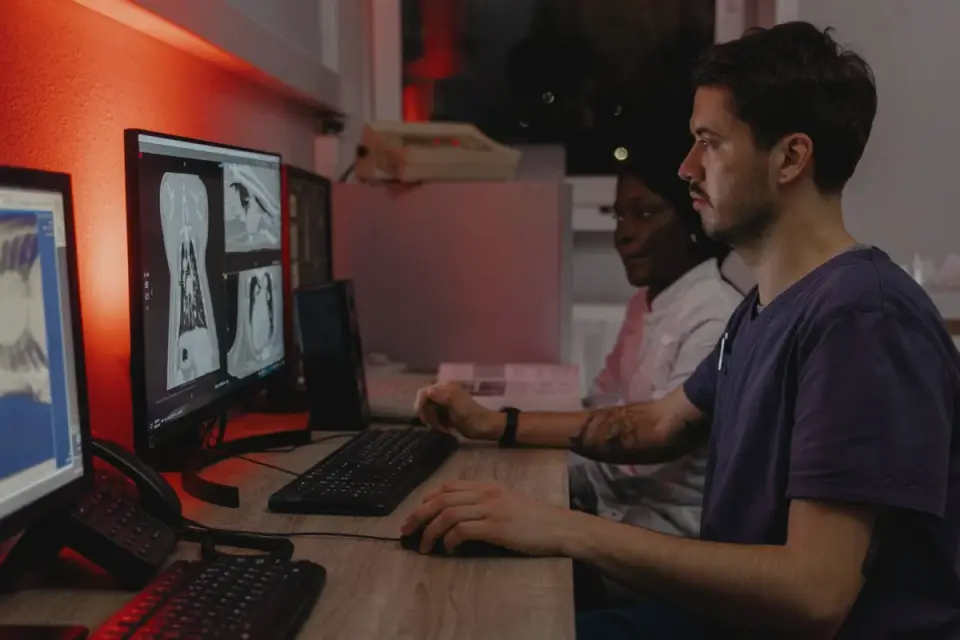
Diagnosis starts with a hands-on orthopedic exam checking range of motion, effusion, and pain on flexion, then moves to radiographs. When x-rays are ambiguous, which happens often with subtle coronoid lesions, a CT scan or arthroscopy gives a clearer picture of the joint surface than plain film ever will. That staged approach, exam first, imaging second, escalate only when needed, is standard, not a sign the first vet missed something.
Consider a nine-month-old Golden Retriever whose radiographs look almost normal but whose owner reports a stiff first ten minutes of every walk. That mismatch between imaging and real-world function is common enough that a surgeon may still recommend CT or arthroscopy before ruling elbow dysplasia out. Waiting for the x-ray to “prove it” can cost months of joint wear a young dog does not get back.
What Actually Changes the Trajectory
Here is where I get decisive rather than encyclopedic. Weight management is the single highest-leverage lever an owner controls, full stop; extra body weight loads a joint that is already mismatched. Controlled, low-impact exercise supports muscle around an unstable joint without the pounding of fetch or stairs. For young dogs with a confirmed loose fragment or significant incongruity, surgical correction, arthroscopic fragment removal or corrective osteotomy, addresses the structural problem directly and is time-sensitive while growth plates are still active. Rehabilitation, underwater treadmill or targeted range-of-motion work, restores function around whatever the joint becomes after treatment. In my integrative practice I also use acupuncture to support local circulation and pain modulation, and Tui-na to support soft-tissue mobility around the joint, both plain structure/function roles, never a substitute for the surgical or medical workup above.
Where Nutraceuticals Fit, and Where They Don’t
Glucosamine and chondroitin remain among the most studied joint-support ingredients for dogs, and the evidence base for each targets a specific structure. Glucosamine HCl has been shown to help prevent experimentally induced cartilage degradation in vitro, according to a review in the Journal of Veterinary Medical Science, while chondroitin supports healthy synovial fluid homeostasis, per a study in Frontiers in Veterinary Science. Green-lipped mussel powder has separately shown it can help alleviate paw swelling and reduce inflammatory markers including TNF-α and IL-17 in controlled research, according to Nutrients. None of that evidence describes correcting a malformed anconeal process or realigning an incongruent joint; it describes supporting the cartilage and fluid environment a joint, dysplastic or not, still depends on. If you are weighing formulas for a dog already managing joint wear, our scored breakdown of the best joint supplement for dogs walks through dosing and evidence side by side, and our guide on how to help an old dog with stiff joints covers the daily-management side once a diagnosis is in hand.
My own bar for owners is simple: get the imaging before assuming supplements or rest alone will settle a growing dog’s lameness. A joint that is structurally mismatched will not remodel itself into alignment, and every month spent guessing is a month that joint keeps wearing unevenly.
Frequently asked questions
Is elbow dysplasia one disease or several?
It is an umbrella term. Depending on which structure inside the joint is affected, a dog may have fragmented coronoid process, ununited anconeal process, osteochondrosis, or joint incongruity, sometimes more than one at once, according to the American College of Veterinary Surgeons.
At what age do signs usually start?
Most affected dogs show front-limb lameness between roughly 4 and 10 months of age, though some are not diagnosed until years later when secondary arthritis has already built up, per the American College of Veterinary Surgeons.
Which breeds are most commonly affected?
Large- and giant-breed dogs carry the highest documented rates, and OFA's own registry statistics rank the Chow Chow and Bulldog highest among all breeds tracked, alongside Labrador Retrievers, Golden Retrievers, Bernese Mountain Dogs, and Rottweilers.
Do joint supplements treat elbow dysplasia?
No. Ingredients such as glucosamine, chondroitin, and green-lipped mussel are studied for supporting cartilage and synovial fluid, not for correcting a malformed joint. Any structural lesion still needs a veterinary diagnosis and, in many cases, surgical evaluation.
Sources
- Canine Elbow Dysplasia — American College of Veterinary Surgeons
- Elbow FAQs — OFA
- Chondroitin and synovial fluid homeostasis — Frontiers in Veterinary Science
- Glucosamine HCl and cartilage degradation — Journal of Veterinary Medical Science
- Green-lipped mussel powder and joint inflammation — Nutrients