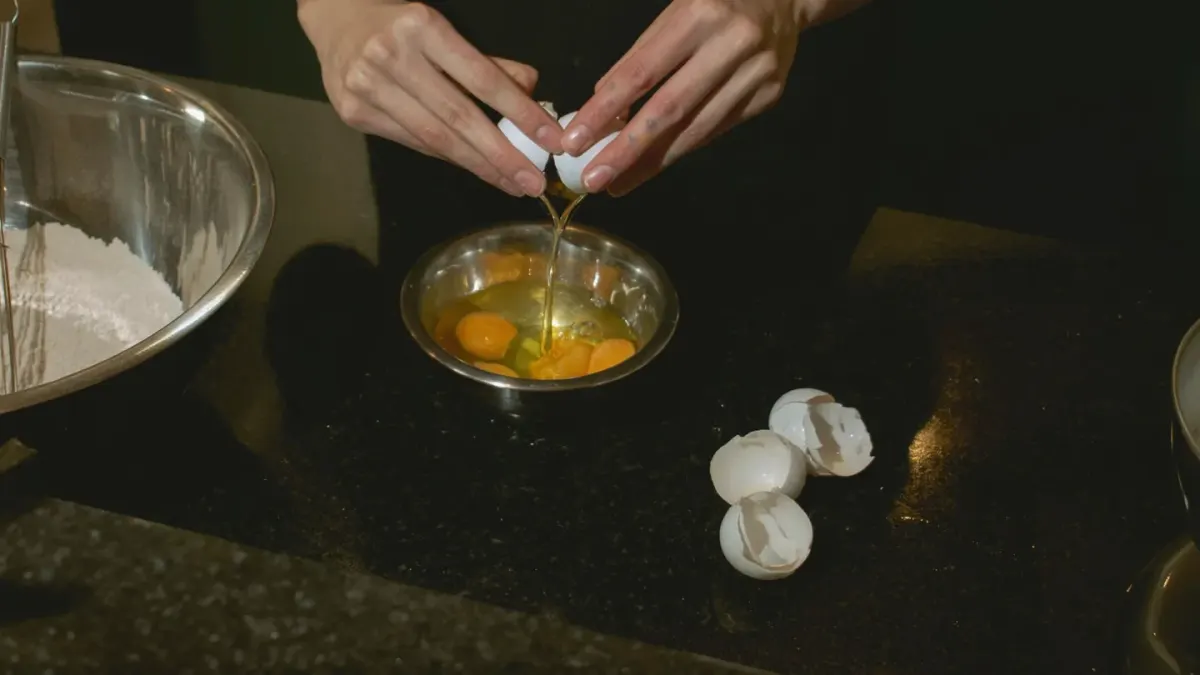
You open the pantry and wonder if that scoop of live cultures even stands a chance without something to feed it.
My verdict is simple: probiotics add live microbes, prebiotic fibers may help support the microbes already living in your dog’s gut. If you want calmer digestion, start with food and fiber, then decide if a probiotic trial makes sense.
That food-first order matters because fibers are fermented in the colon into short-chain fatty acids that help nourish colon cells and keep stool formed. A Journal of Animal Science fermentation study found an interesting split: “Bacterial alpha diversity metrics increased (P < 0.01) during acacia fiber fermentation and decreased (P < 0.01) during inulin and pectin fermentation.” Different fibers feed different communities.
Vets often see the mismatch in practice. Suzanne in West Valley City noticed her 7-year-old neutered Border Terrier, Mani, had soft afternoon stools after two weeks on a new probiotic chew alone. Nothing urgent, just pudding-like piles by 4 p.m. for five days straight. Adding a teaspoon of plain canned pumpkin steadied him within three days.
Why I pair fiber before cultures
Live microbes pass through. Fiber stays and ferments.
That is why I set expectations this way: fiber may help support a steadier stool pattern day to day, while probiotics may help support balance during stress, diet change, or after GI upset. The Probiotics fact sheet from the NIH Office of Dietary Supplements describes probiotics as live microorganisms intended to maintain or improve normal microflora, which fits how I use them — as short trials, not forever fixes.
Pumpkin fiber is a gentle, natural source of both soluble and insoluble fiber. I like it for sensitive stomachs because it adds bulk without a sharp fermentative load.
Which fibers fit which dog
Think in textures, not trends.
Acacia (gum arabic) ferments slowly and tends to be easy on gassy dogs. Psyllium husk adds water-holding bulk and may help support regularity when stools swing soft to firm. Pumpkin powder and oat fiber sit in the middle — familiar foods, mild fermentation. Inulin and chicory root are potent fermenters; a little may help support normal flora, but too much often means gas.
Start low. For a 20- to 40-pound dog, that usually means 1 teaspoon of plain canned pumpkin or 1/4 teaspoon psyllium husk powder mixed into meals once daily for 3 to 5 days, then reassess stool shape and gas. Keep water available, especially with psyllium.
If gas is already the main complaint, read my checklist in Dog Gas Remedy: The Checklist I Use Before Reaching for a Supplement before adding a strong prebiotic. If constipation is the pattern, Natural Remedies for Dog Constipation: What Actually Helps, and What’s Just a Rumor walks through fiber, fluids, and movement first.
When fiber alone is enough
Not every loose stool needs a probiotic.
If the trigger was clear — table scraps, a fast food switch, boarding — I rest the gut, return to a plain diet, then layer fiber in. Probiotics earn a trial when soft stools linger past a week, when stress predictably loosens stools, or when antibiotics have flattened appetite and form.
Skip a home trial and call your vet first for bloody diarrhea, repeated vomiting, belly pain, lethargy, or a puppy that stops eating. Needles and food therapy have their place, but they never replace workup for red-flag signs.
Skeptical friend asks: isn’t this just expensive poop? Fair question.
My answer stays practical. Fiber is cheap food for resident microbes. Cultures are visitors. Feed the residents first.
Frequently asked questions
Should I give prebiotics and probiotics at the same time?
You can, but I usually steady fiber and meals for 3 to 5 days first, then add a 2- to 4-week probiotic trial so you can tell what helped.
Which prebiotic fiber is least likely to cause gas?
Start with gentle, slow-fermenting options like pumpkin powder or acacia, keep the dose small, and increase only if stools stay formed and gas stays low.
Sources
- Bacterial alpha diversity during fiber fermentation — Journal of Animal Science
- Probiotics — NIH Office of Dietary Supplements