
Bruce first did the math on the kitchen calendar in Costa Mesa. Copito, his 14-year-old neutered male Great Dane, would be 98 in human years by the old 7-to-1 rule, yet Copito still walked half a mile each morning and still lost ground in a different way — slower to chew, grey-muzzled, with breath that had turned sour over about six months.
That mismatch is the point. The old rule treats aging as a straight line. Dogs do not age that way, and size changes the slope even more.
The classic multiply-by-seven came from rough lifespan averages, not biology. A better picture comes from methylation work that compared Labrador Retrievers and humans across life stages and found a nonlinear relationship, with rapid early remodeling and slower change later, described in Cell Systems. In plain terms: a 1-year-old dog is far more than seven, and an old large-breed dog is physiologically older than the chart admits.
Size resets the clock more than birthdays do
Small breeds tend to live longer and reach senior status later. Large and giant breeds compress the timeline, with many considered senior by 6 to 8 years, a pattern reflected in senior-care guidance from the American Veterinary Medical Association.
For Copito, that matters more than any birthday conversion. A 14-year-old Great Dane is exceptional, not 98. His joints, heart, kidneys, and mouth have carried a large body for a very long time, which means function tells more than arithmetic.
Owners do better tracking what the dog can still do. How far is the usual walk before lagging. How quickly he rises. Whether stairs, play, appetite, and sleep have shifted over 2 to 4 weeks. Those trends flag aging earlier than a number.
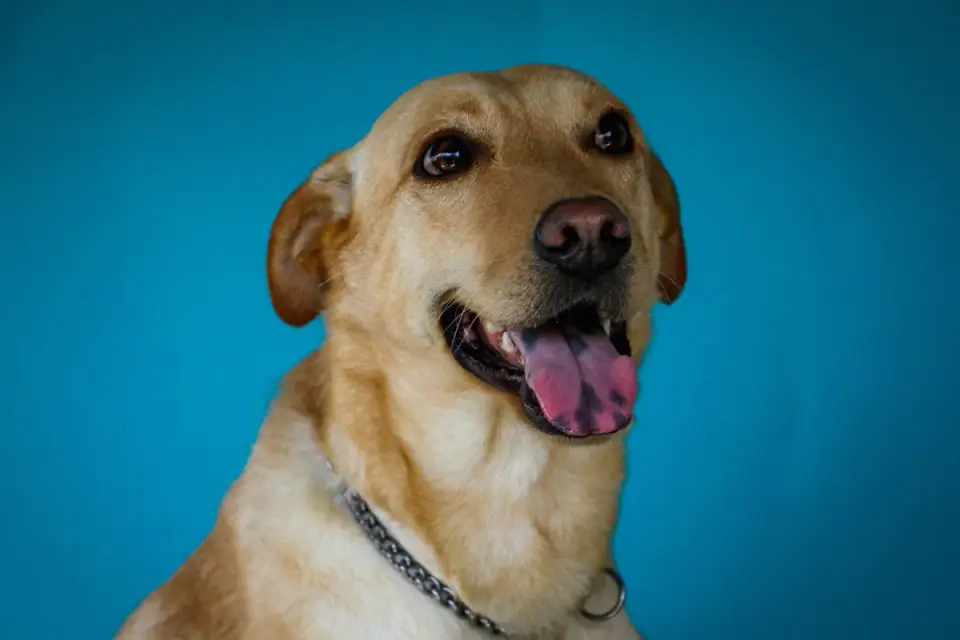
The mouth is where age shows first
This is where I get direct. Periodontal disease supports a low-grade inflammatory burden, and the mouth is connected to the whole dog through bacteremia, swallowing, and pain that changes eating, activity, and rest.
That does not mean a dental cleaning treats heart or kidney disease.
That claim outruns the periodontal data, and owners should be skeptical when a product or procedure promises it. What dental care supports is cleaner ground: less oral pain, less plaque retention, easier chewing, and a mouth exam that can catch masses, fractures, and bone loss while intervention still helps.
For aging dogs, prioritize professional assessment, daily plaque control that fits the dog, and prompt attention to bad breath, drooling blood, pawing at the face, dropping food, or chewing on one side. Those signs outweigh any age equation.
What to use instead of dog years
Stop converting. Stage instead.
Puppy and adolescent dogs need growth, training, and preventive dental habits. Young to middle-aged adults need weight control, exercise consistency, and baseline bloodwork so later changes have context. Senior dogs need shorter, more frequent check-ins, pain screening, cognitive screening, and a dental plan matched to anesthesia risk and benefit.
Weight is the lever most owners underuse. Lean body condition supports joints, breathing, and stamina across every life stage. Food intake, treats, and table scraps deserve the same attention as any supplement label.
If you want one routine to keep, try this. Note mobility, appetite, thirst, sleep, cognition, and mouth odor once a month. Bring that one-page log to the exam. Vets often see patterns in those notes that a single visit misses, especially early slowing, night restlessness, or getting stuck in corners.
For deeper context on slowing cellular change and brain aging, see Dog Anti-Aging Supplements: What Actually Slows Cellular Aging, Explained, The Complete Guide to Dog Aging and Healthy Longevity, and Supplements for Senior Dog Cognitive Support: What Actually Helps an Aging Brain.
The math was never the diagnosis.
It was a shortcut, and dogs age in curves, sizes, and mouths — not multiples of seven.
Frequently asked questions
Is one dog year really seven human years?
No. Dogs mature much faster in the first two years, then the rate slows, and large breeds age faster than small breeds across adulthood.
At what age is my dog considered senior?
It depends on size. Many giant breeds are senior around 6 to 8 years, while small breeds may not reach senior status until 10 to 12. Function and exam findings matter more than the birthday.
Does bad teeth make my dog age faster?
Periodontal disease supports oral pain and inflammation that can reduce eating, activity, and comfort. It does not by itself set the aging clock, but mouth health is one of the most actionable parts of senior care.
Sources
- Quantitative Translation of Dog-to-Human Aging by Conserved Remodeling of the DNA Methylome — Cell Systems
- Senior Pets — American Veterinary Medical Association